Overview
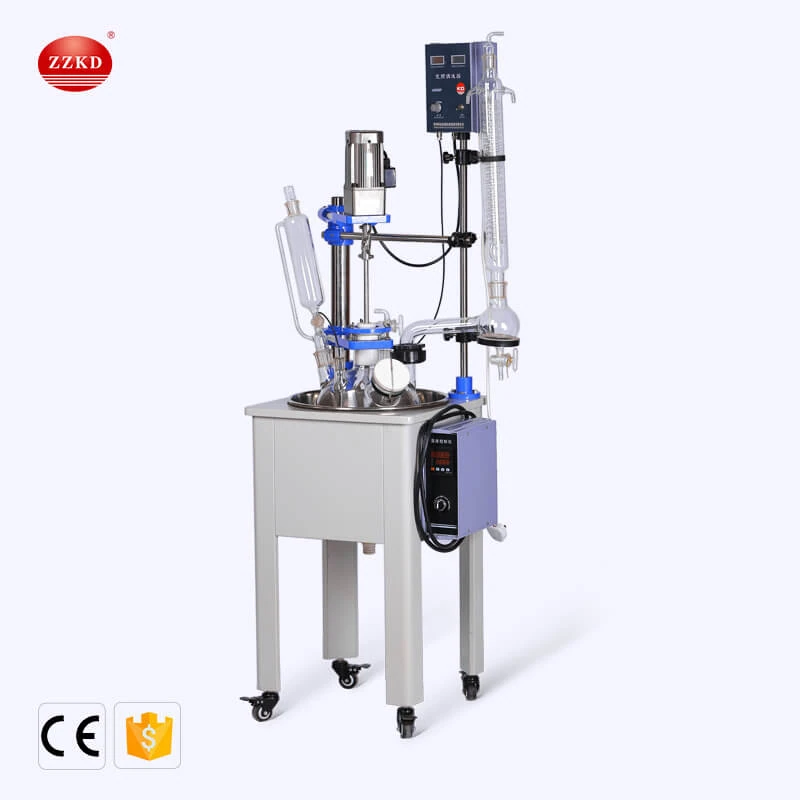
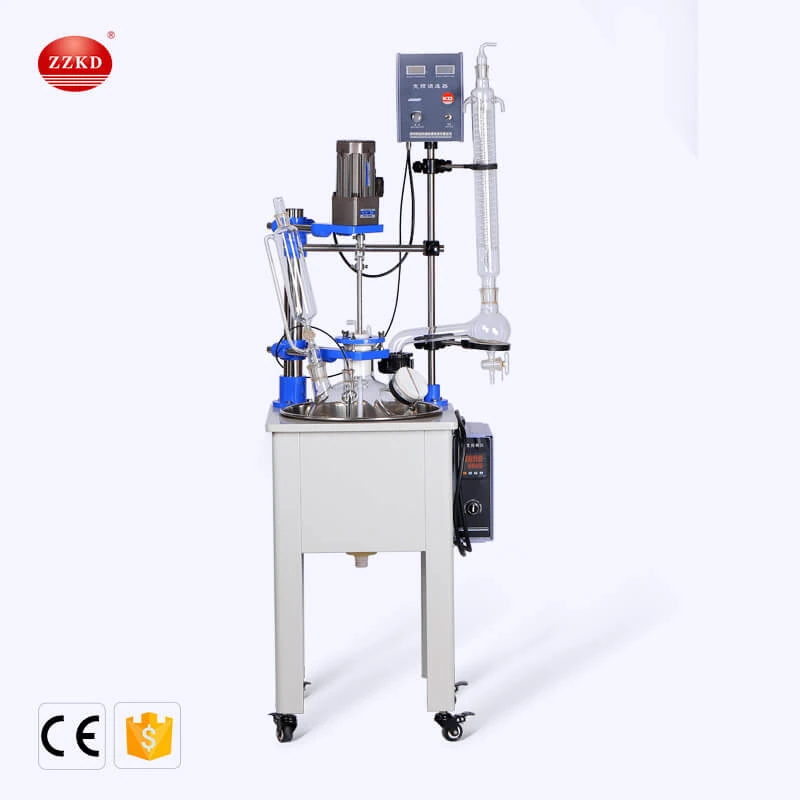
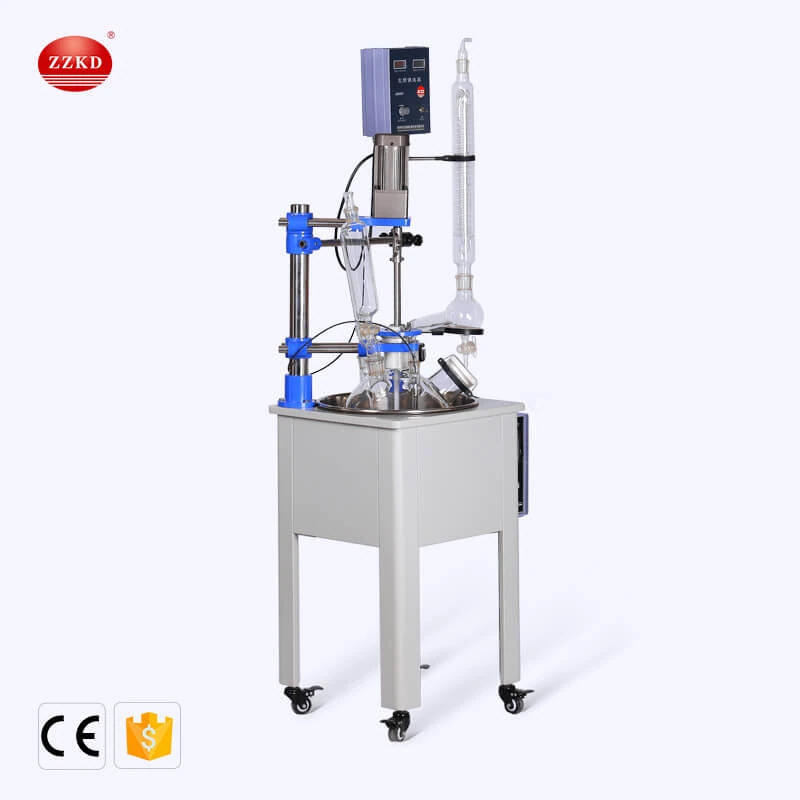
The pilot glass reactor is a commonly used biochemical instrument, which is widely used in modern fine chemical industry, biopharmaceutical, scientific research and experiment industries. It can be concentrated, distilled, distilled and separated under constant speed, constant force and constant temperature. Purification reaction is an ideal instrument and equipment for teaching, experiment, pilot test and production.
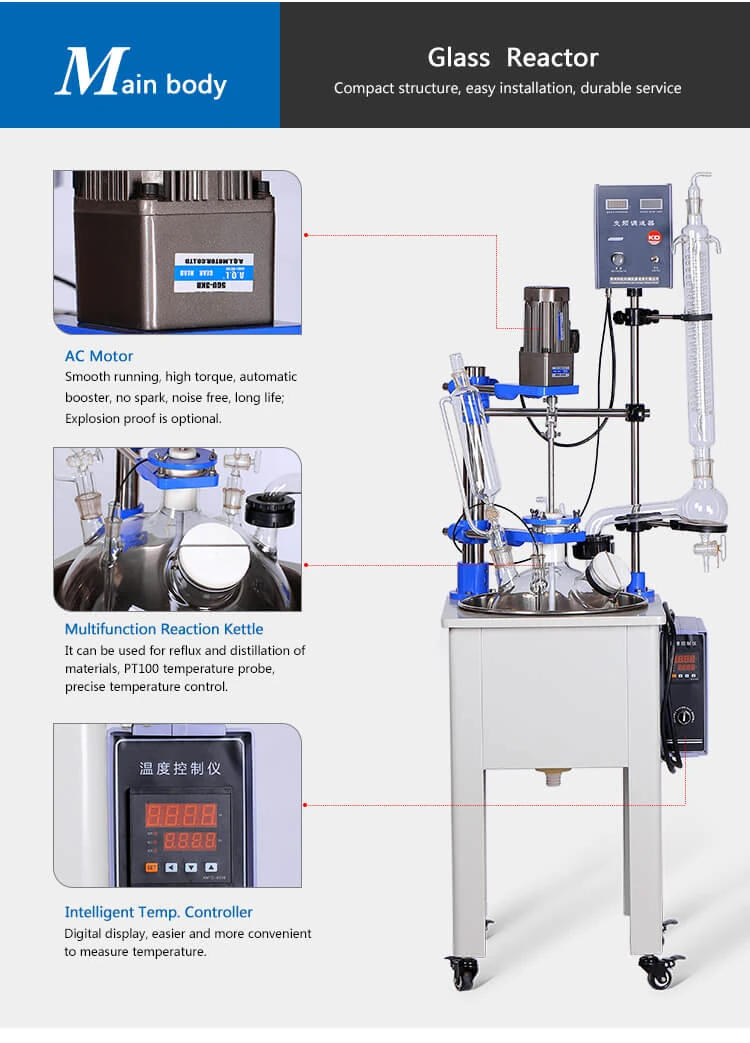
Design features of the pilot glass reactor:
1. Frequency conversion controller: eliminate various stirring problems caused by electronic speed regulation, and avoid waste of reaction materials caused by problems during stirring.
2. PTFE gasket between the kettle body and lid: the direct contact between the glass is easy to affect the high vacuum degree, and the glass is also easy to be damaged. The gasket can protect the glass to a higher vacuum degree.
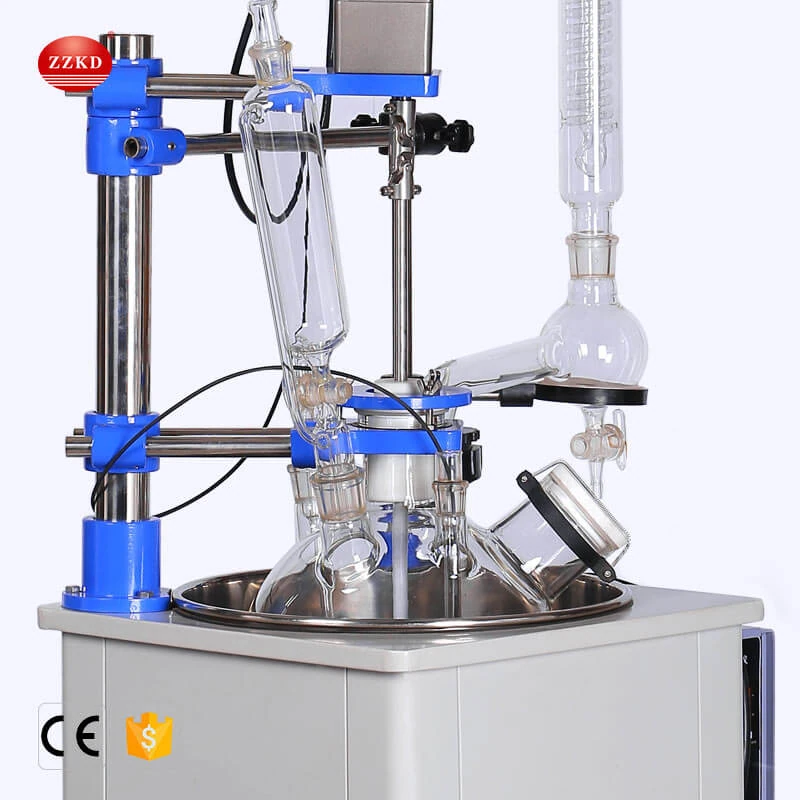
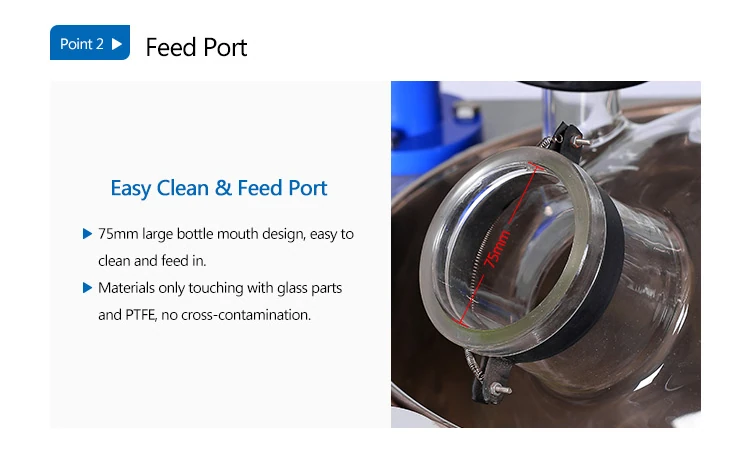
3. Large-sized kettle cover: more openings and more additional functions. Flange stirring port, ball mill condensation return port, standard mill constant pressure dripping port, flange temperature measuring port, flange liquid feeding port, tetrachlorine spray cleaning port , Flange solid feeding port.
4. PTFE/mechanical double seal: optional imported seal, which is resistant to wear and corrosion, has good sealing performance and long service life.
5. Solid feeding port: Ingenious design of the solid feeding port gland, high vacuum, easy operation, and glass protection.
6. Liquid feeding port: high vacuum tetranitrogen hand valve feeding, the liquid does not hang on the wall, optional PTFE spray ball is convenient for cleaning the inside of the kettle (no need to disassemble the lid of the kettle).
7. Temperature measuring port in the kettle: flange port design, PTFE thermometer sleeve plug, flange port plus PTFE sleeve plug design to protect the glass port from damage during high-speed stirring.
8. Constant pressure dropping funnel: high vacuum PTFE hand valve, easy to operate, not easy to damage the glass parts, optional large-capacity dropping bottle.
9. Condensation reflux or recovery: the circulation port is equipped with a quick-connect pagoda, a high-vacuum PTFE hand valve, and a double-layer glass coil for easy operation and glass protection.
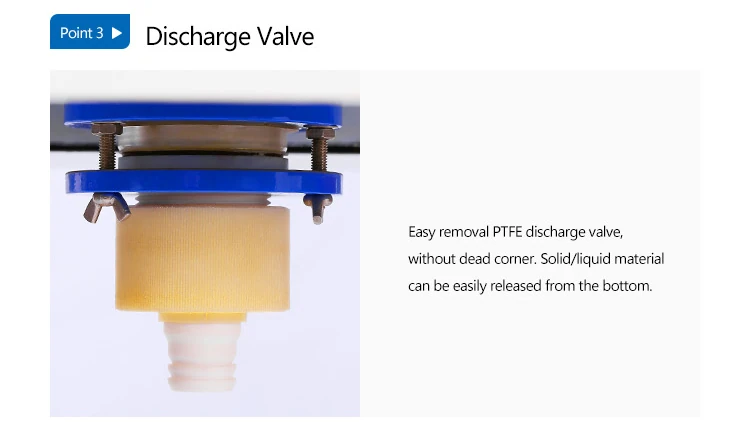
10. Designed with a discharge bottom valve: to prevent problems such as slippage and liquid leakage.
11. Kettle body interlayer insulation buffer tube: Transfer the connection stress to the stainless steel frame to protect the precious glass kettle body and your materials.
Pilot Glass Reactor Ancillary Equipment:
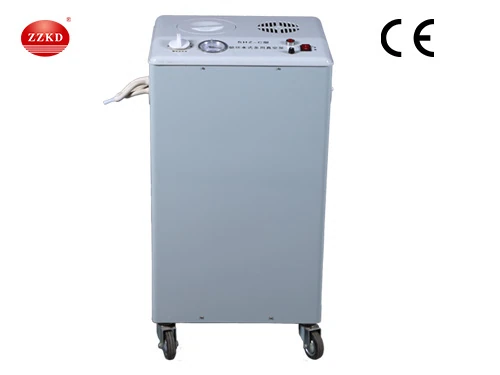
Circulating water vacuum pump: Used to provide a vacuum source.
Refrigerated circulator: Reflux, condensation and cool the material.
Circulating Water Vacuum Pump
Refrigerated Crculator

Features
Pilot Glass Reactor Features:
1. GG17 high-borosilicate glass with nice physical-chemical properties; experiment temperature -100 to 400 degree C; Resistant to strong acidic properties of materials; only touching with glass parts & PTFE, no cross-contamination. Precision Mechanical seal stirring to keep high vacuum degree.
2. Glass(PTFE)discharge valve, no-dead angle mixing, fast no residue discharge. Frequency control speed gear motor, smooth running,high torque, automatic booster , no spark, noise free, long life.
3. SUS frame and cast aluminum material kettle body support, simple as well as strong; stable structure. Circulating water/oil bath, heating mantle can supply the heating origin; Cooling mode machine:cool chiller, convenient and practical
4. Scientific & innovative structure, practical, strong. Explosion-proof is optional.
Heating principle:
The heating coil in the tank heat the transfer medium-water or oil directly,(heating mantle heat the body kettle). Then the hot water or oil pass its hot energy to material in the kettle and stirring at the same time.
Maintenance of pilot glass reactor:
1. Before using the pilot glass reactor, carefully read the instructions and check the instrument: check whether the glass reactor body is damaged or not, and whether the interface is consistent.
2. The interface of the pilot glass reactor should not be screwed too tightly, and the looseness should be checked regularly to avoid the connector being seized by long-term locking.
3. Turn on the power switch and let the machine run from slow to fast. When stopping, make the machine stop and then turn off the switch.
4. Do not tighten the PTFE switches with excessive force to avoid damage to the glass. Unscrew each PTFE switch after shutdown, and the PTFE piston will be deformed if it is still in the working state for a long time.
5. Take off the sealing ring, check whether there is dirt on the shaft, wipe it clean with a soft cloth, apply a little vacuum grease, and reinstall it to keep the shaft and the sealing ring lubricated. Clean the sealing ring regularly.
6. The electrical part must not enter the water, and it is strictly forbidden to be damp.
7. When working or at the end, it is strictly forbidden to disassemble under pressure, and it is strictly forbidden to work under the condition of overpressure and overtemperature.
8. After use, you must use a soft cloth to wipe off the oil stains, stains, and solvent residues left on the surface of the machine, and keep it clean.
Specifications
Technical Parameter
| Model | F-10L |
| Voltage(V) | AC220V |
| Mixingpower(W) | GM120W1/3 |
| Speed | 60~600rpm |
| Torque | 1000g/cm |
| Capacity | 10L |
| Heatingpower | 3KW/2 |
| Temperatureusingrange | 0-250℃ |
Tips:
1. Voltage 110V or 380V is available.
2. Stirring power, torgue, refrigeratuion components can be customized.
3. Cusomized configuration is available.