Overview
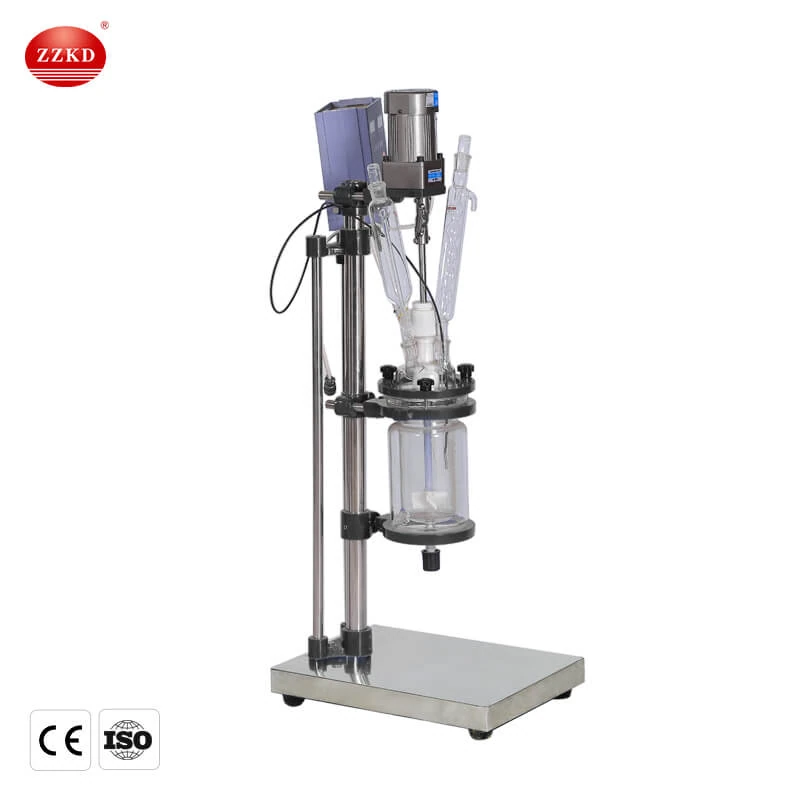
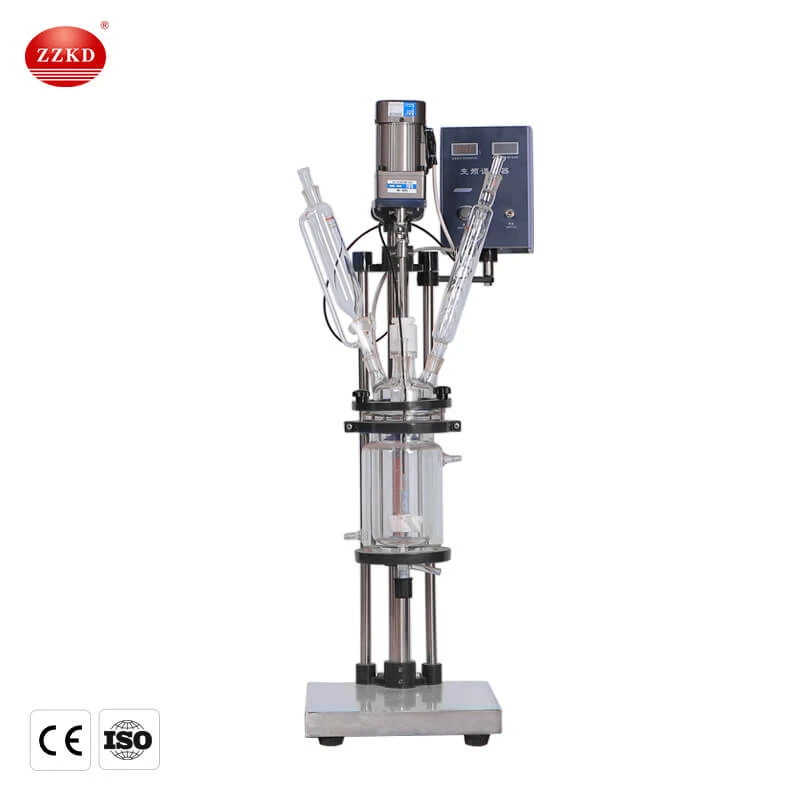
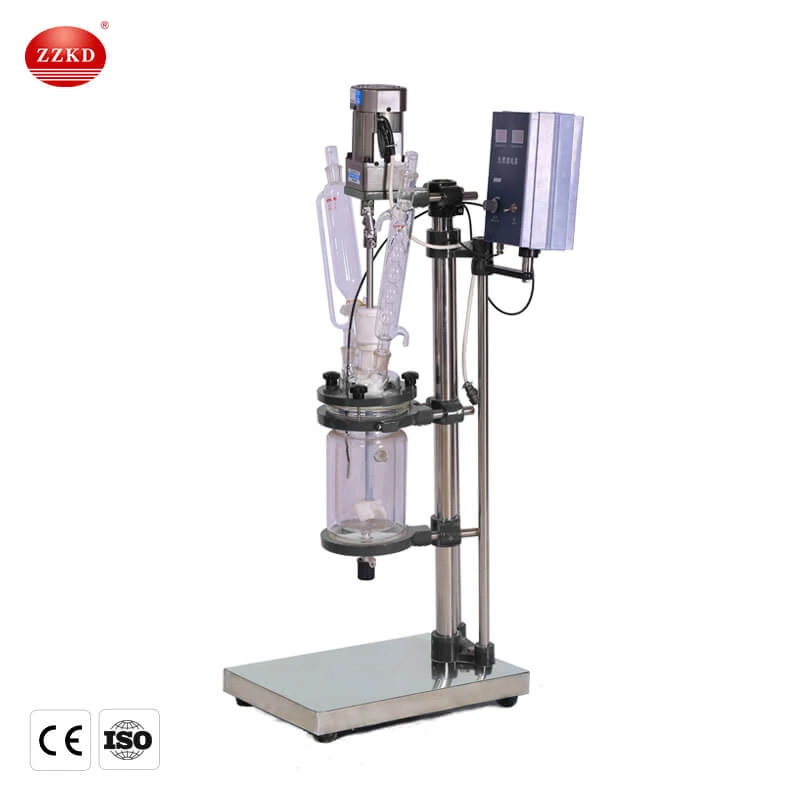
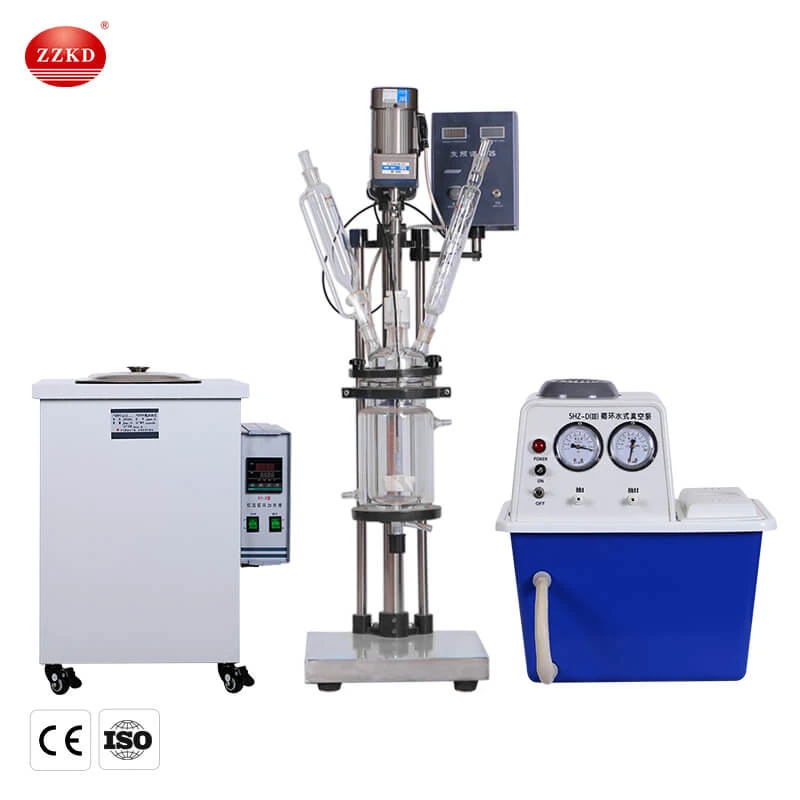
The glass batch reactor passes through the interlayer of the reaction kettle, injects constant temperature (high or low temperature) hot-melt medium or cooling medium, heats or cools the materials in the reaction kettle at a constant temperature, and can provide stirring. The materials are reacted in the reactor, and the evaporation and reflux of the reaction solution can be controlled. After the reaction, the materials can be released from the outlet at the bottom of the reactor, which is easy to operate. It is an ideal equipment for modern chemical small sample, medium sample experiment, biopharmaceutical and new material synthesis.
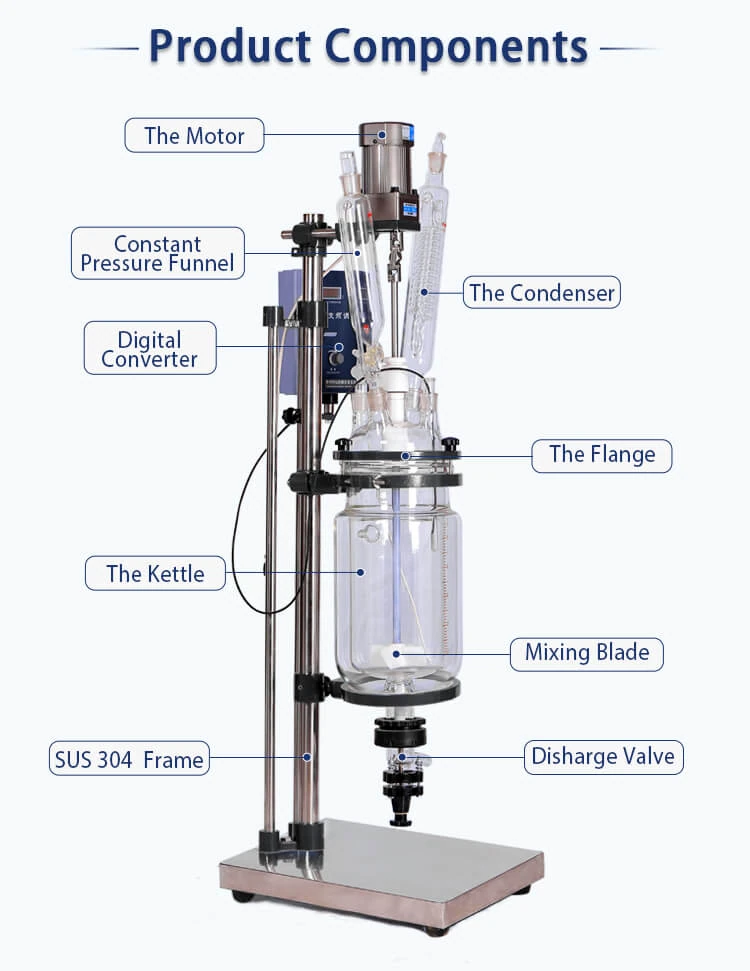
Design features of glass batch reactors:
1. Frequency conversion controller: eliminate various stirring problems caused by electronic speed regulation, and avoid waste of reaction materials caused by problems during stirring.
2. PTFE gasket between the kettle body and lid: the direct contact between the glass is easy to affect the high vacuum degree, and the glass is also easy to be damaged. The gasket can protect the glass to a higher vacuum degree.
3. Large-sized kettle cover: more openings and more additional functions. Flange stirring port, ball mill condensation return port, standard mill constant pressure dripping port, flange temperature measuring port, flange liquid feeding port, tetrachlorine spray cleaning port , Flange solid feeding port.
4. PTFE/mechanical double seal: optional imported seal, which is resistant to wear and corrosion, has good sealing performance and long service life.
5. Solid feeding port: Ingenious design of the solid feeding port gland, high vacuum, easy operation, and glass protection.
6. Liquid feeding port: high vacuum tetranitrogen hand valve feeding, the liquid does not hang on the wall, optional PTFE spray ball is convenient for cleaning the inside of the kettle (no need to disassemble the lid of the kettle).
7. Temperature measuring port in the kettle: flange port design, PTFE thermometer sleeve plug, flange port plus PTFE sleeve plug design to protect the glass port from damage during high-speed stirring.
8. Constant pressure dropping funnel: high vacuum PTFE hand valve, easy to operate, not easy to damage the glass parts, optional large-capacity dropping bottle.
9. Condensation reflux or recovery: the circulation port is equipped with a quick-connect pagoda, a high-vacuum PTFE hand valve, and a double-layer glass coil for easy operation and glass protection.
10. Design the bottom valve for oil discharge: to eliminate problems such as slippage, liquid leakage, and improper discharge.
11. Kettle body interlayer insulation buffer tube: Transfer the connection stress to the stainless steel frame to protect the precious glass kettle body and your materials.
12. The glass batch reactor has a variety of motors to choose from, which can meet your various mixing needs, such as: explosion-proof motors, DC brushless motors, and AC low-speed booster motors.
Four heating methods for glass batch reactors:
1. Water heating: when the temperature requirement is not high in the production process, water heating can be used for heating
2. Steam heating: When the production requires heating temperature below 100°C, steam can be used to heat the glass batch reactor. In this method, the equipment is heated with subatmospheric steam. When the temperature is required to be in the range of 100-180°C, saturated steam can be used, and when the temperature is required to be higher, high-pressure superheated steam can be used for heating
3. Electric heating: Electric heating is wound on the insulating layer of the glass batch reactor cylinder through resistance wire, or installed on a special insulator at a certain distance from the glass batch reactor. Therefore, a small gap can be formed between the resistance wire and the glass batch reactor body
4. The above three methods are relatively common heating methods for glass batch reactors, and there are also methods for heating with other media. When the production process requires operation at higher temperatures, or avoids the use of high-pressure heating systems, other media can be used instead of water and steam. For example, mineral oil (275-300°C), diphenyl ether mixture (boiling point 258°C), molten salt (140-540°C), liquid lead (melting point 327°C), etc.
Features
Glass Batch Reactor Structure Features:
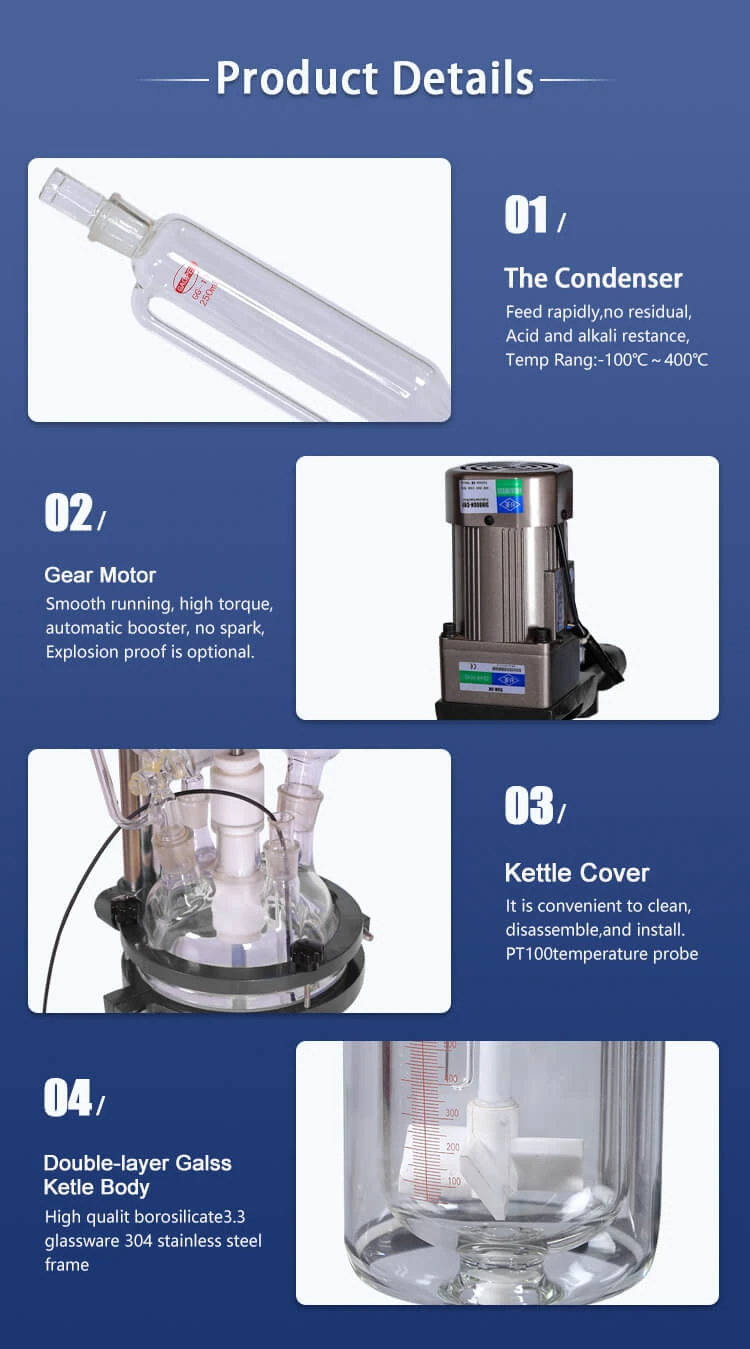
1. GG17 high-borosilicate glass with nice physical-chemical properties; experiment temperature -100 to 400 degree C; Resistant to strong acidic properties of materials; only touching with glass parts & PTFE, no cross-contamination.
2. Double cylinder; kettle cover is separated from kettle body. It is convenient to disassemble, clean and install.
3. Stirring adopts to mechanical sealing, it keeps higher vacuum degree among the same products in the market. It also keeps high vacuum degree when stirring.
4. Glass(PTFE)discharge valve, non-dead angle mixing, fast emptying, no residue. Frequency control speed gear motor, smooth running,high torque, automatic booster, no spark, noise free, long life.

Installation method of glass batch reactor:
1. After opening the package, check whether the main accessories of the machine are complete according to the packing list.
2. Assemble the frame with the stainless steel pipe and fixing parts as shown in the attached picture.
3. Install the electrical box on the top of the right rear pole, tighten the screws, and plug in the seven-pin plug. The vacuum gauge is installed at the left rear end, just tighten the screws.
4. According to the height of use, fix the round bracket of the kettle on the slider of the vertical pole, put the kettle on the bracket, and the semicircular hoop is used to fix the neck of the kettle and insert it into the slider of the vertical pole respectively, and tighten the fixing screws after closing. When installing, pay attention to the verticality of the main body of the reactor.
5. The stirring rod is fixed on the gear ring chuck of the motor spindle, the stirring rod passes through the rotating bearing in the middle of the cover, tightens the connector, and then adjusts the position of the motor, paying attention to the vertical concentricity.
6. The slider on the pole is a stainless steel multi-purpose clip that can be fixed to adjust different directions and heights.
7. When installing the glass instrument, it must be cleaned. Apply Vaseline to each interface to prevent the glass from locking up, and then apply vacuum grease to prevent air leakage.
8. Press the universal wheel fixing device to stir. If the stirring is stable, it means that the debugging is good.
Precautions for the use of glass batch reactors:
1. Check the instrument carefully before use, whether the glass bottle is damaged, whether the interfaces are consistent, and handle with care.
2. Wipe each interface with a soft cloth (you can replace it with a napkin), and then apply a little vacuum grease. (Vacuum grease must be covered after use to prevent lime sand from entering.)
3. The connectors should not be tightened too tightly, and should be loosened regularly to avoid the connectors being seized by long-term locking.
4. Turn on the power switch first, and then let the machine run from slow to fast. When stopping, make the machine stop, and then turn off the switch.
5. The PTFE switches everywhere should not be over-tightened, as it is easy to damage the glass.
6. After each use, you must use a soft cloth to wipe off all kinds of oil stains, stains, and solvent residues left on the surface of the machine, and keep it clean.
7. Unscrew each PTFE switch after stopping the machine, and the PTFE piston will be deformed if it is still in the working state for a long time.
8. Clean the sealing ring regularly. The method is: take off the sealing ring, check whether there is dirt on the shaft and wipe it clean with a soft cloth, then apply a little vacuum grease, and reinstall it to keep the shaft and the sealing ring smooth.
9. The electrical part must not enter the water, and it is strictly forbidden to be damp.
10. The authentic accessories of the original factory must be purchased. Random use of other accessories will cause fatal damage to the machine.
11. When doing any repair or inspection on the machine, be sure to cut off the power supply and water source first.