Overview
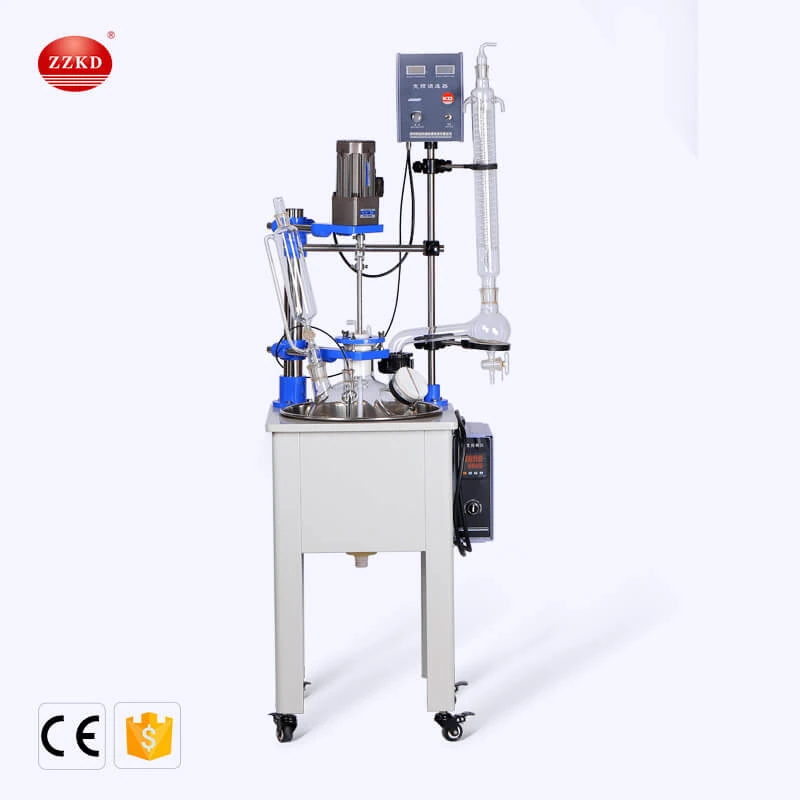
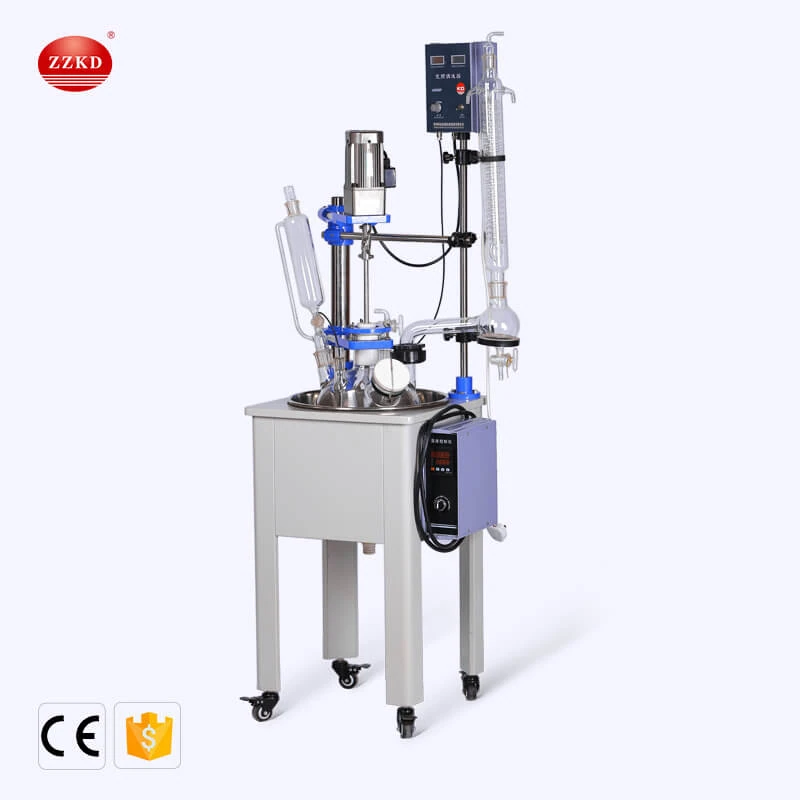
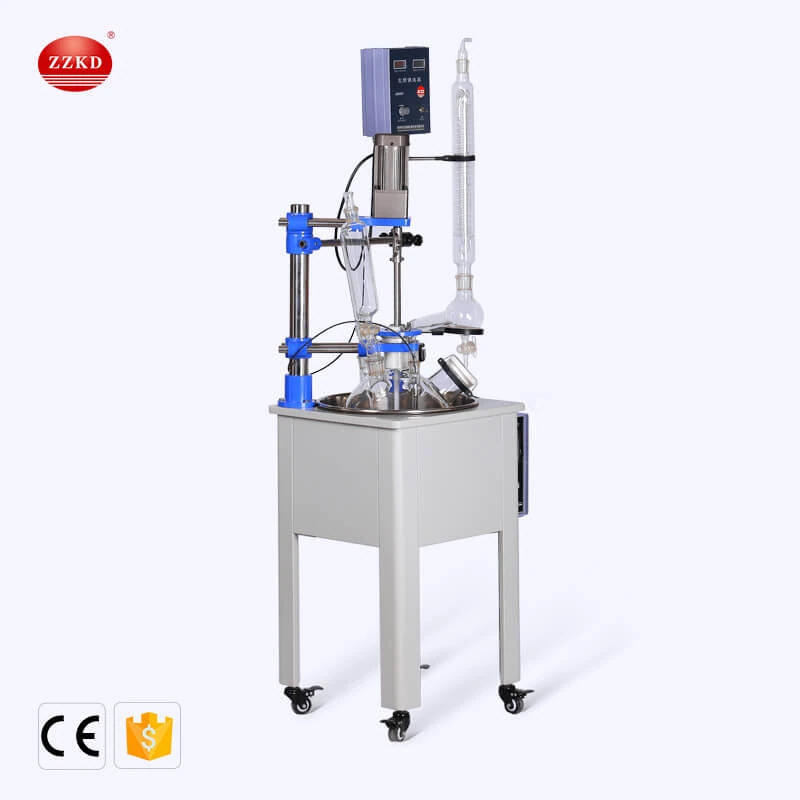
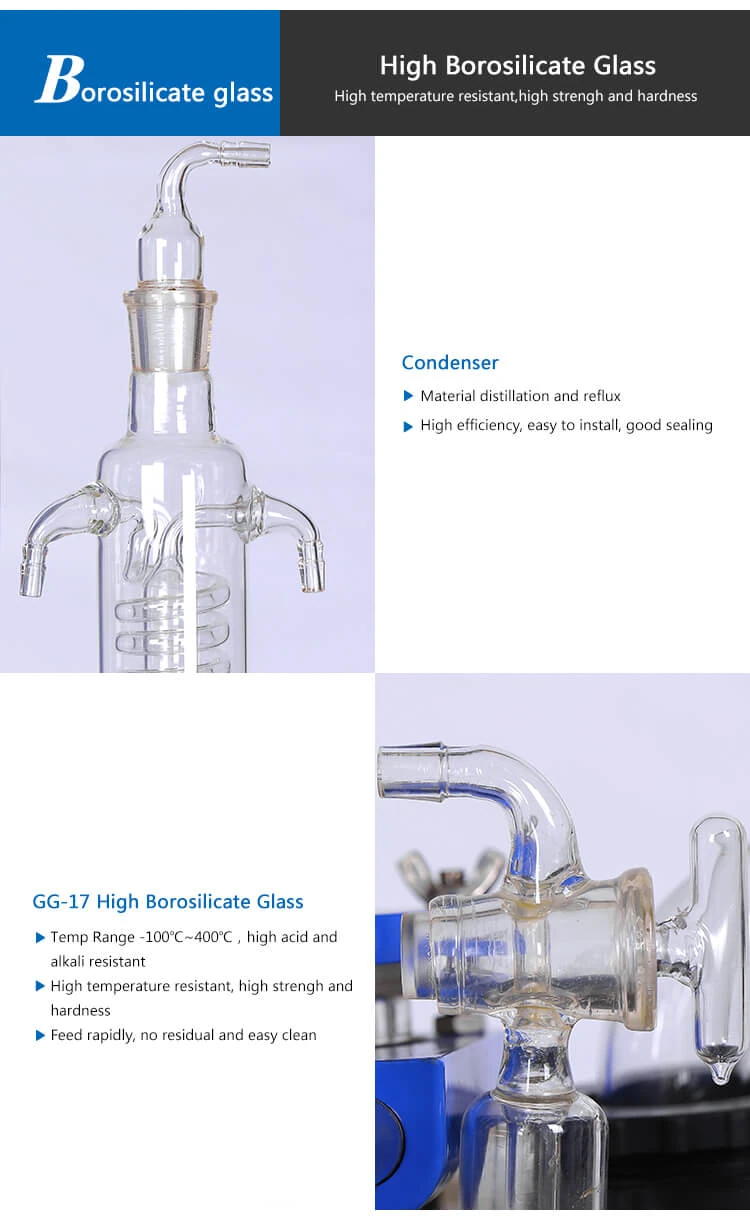
Chemical laboratory glass reactors are usually used for mixing and stirring reactions. The materials can be acidic and weakly alkaline, and cannot be reacted with strong alkalis. Therefore, the body of the single and double-layer reactors are made of high borosilicate materials. It is A special glass material with low expansion rate, high temperature resistance, high strength, high hardness, high light transmittance and high chemical stability, and its water resistance, acid resistance and alkali resistance are all first-class.
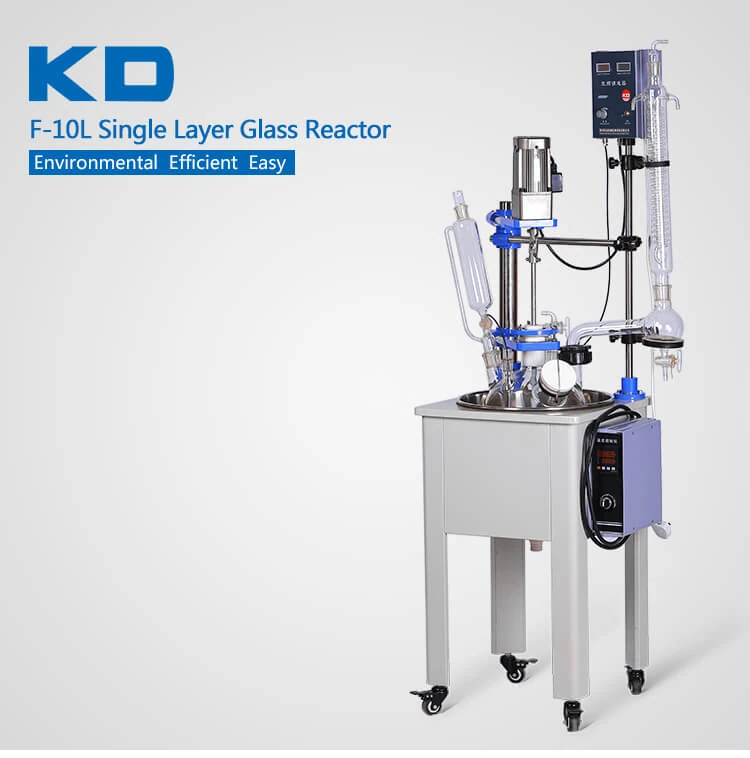
The working principle of the chemical laboratory glass reactor:
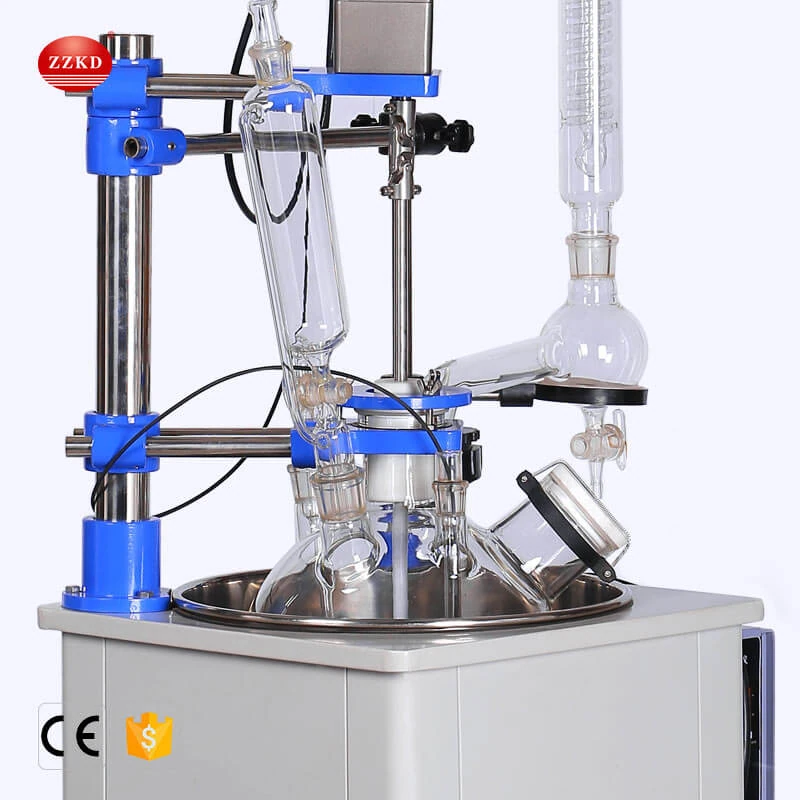
The glass reactor body of the chemical laboratory is directly heated by the silver film heating plate, so that the materials in the glass reactor of the chemical laboratory are heated at a constant temperature, and stirring can be provided. The materials are reacted in the chemical laboratory glass reactor, and the evaporation and reflux of the reaction solution can be controlled. After the reaction is completed, the lid and the motor part of the glass reactor in the chemical laboratory are lifted up and down mechanically (electric lift is optional), and the kettle body can be rotated 360 degrees to facilitate the dumping and discharging of materials, and the operation is extremely convenient.
The characteristics of the chemical laboratory glass reactor:
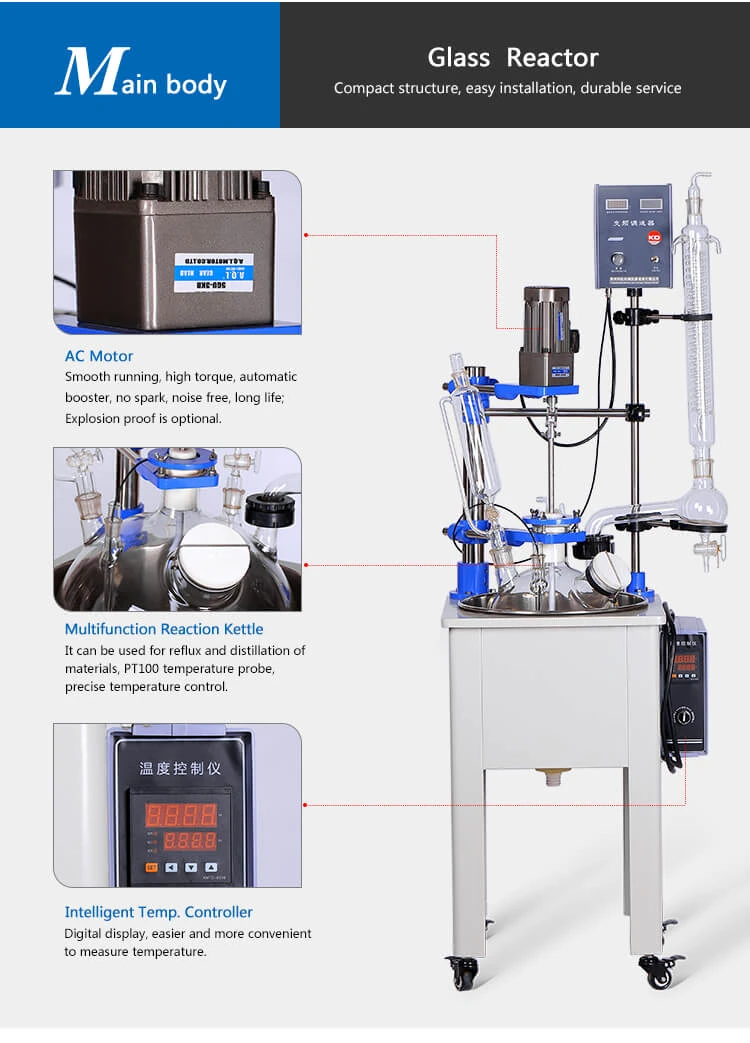
1. The material (G3.3 borosilicate glass) used in the chemical laboratory glass reactor has excellent material and chemical properties. In the stirring process of frequency conversion speed regulation, the operation will be relatively stable, and no sparks will be generated even if the torque is large.
2. In addition, the components are sealed with PTFE, which can maintain a relatively good vacuum degree (generally around -0.095mpa) among similar products in the market, and maintain high-precision sealing under working conditions. There is also a debris collection tank.
3. Alloy steel mechanical seal, PTFE connection port, high-precision seal in working condition.
4. The Pt100 sensor probe has high temperature measurement accuracy and small error, which can effectively improve work efficiency.
5. PTFE discharge valve, movable interface, fast discharge.
6. The cooling or heating solution in the interlayer of the glass reactor in the chemical laboratory does not accumulate liquid after the reaction is completed.
7. The overall stainless steel column movable frame structure, five reactor lids, and a full set of glass for reflux, liquid addition, and temperature measurement.
8. Strong torque, no noise. Adopt Japanese technology AC gear reduction motor.
9. The double polytetrafluoroethylene stirring paddle of the glass reactor in the chemical laboratory is suitable for stirring and mixing of low to high viscosity liquids.
Features
Maintenance instructions for chemical laboratory glass reactors
1. Check the instrument carefully before use, whether the glass bottle is damaged, whether the interfaces are consistent, and handle with care.
2. Wipe each interface with a soft cloth (you can replace it with a napkin), and then apply a little vacuum grease. (Vacuum grease must be covered after use to prevent lime sand from entering.)
3. The joints of the glass reactor in the chemical laboratory should not be screwed too tightly, and should be loosened regularly to avoid long-term tight locks that cause the connectors to bite dead.
4. Turn on the power switch first, and then let the machine run from slow to fast. When stopping, make the machine stop, and then turn off the switch.
5. The PTFE switches everywhere should not be tightened too hard, as it is easy to damage the glass.
6. After each use, you must use a soft cloth to wipe off all kinds of oil stains, stains, and solvent residues left on the surface of the machine, and keep it clean.
7. Unscrew each PTFE switch after stopping the machine, and the PTFE piston will be deformed if it is still in the working state for a long time.
8. Clean the sealing ring regularly. The method is: take off the sealing ring, check whether there is dirt on the shaft, wipe it clean with a soft cloth, then apply a little vacuum grease, and reinstall it to keep the shaft and the sealing ring smooth.
9. The electrical part must not enter the water, and it is strictly forbidden to be damp.
10. It is necessary to purchase authentic accessories from the original factory. Random use of other accessories will cause fatal damage to the machine.
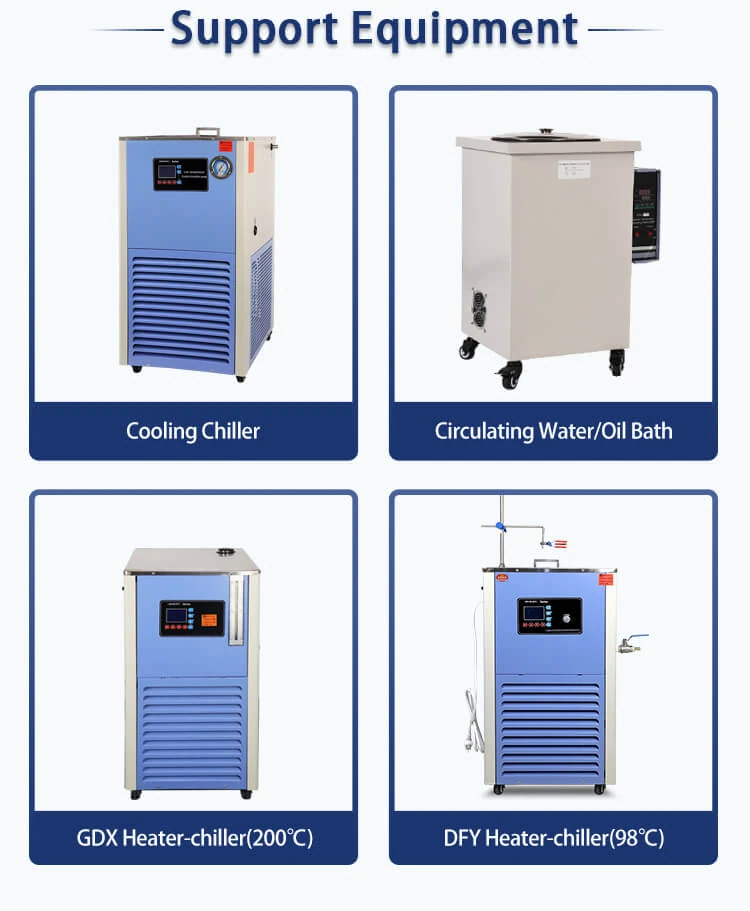
Chemical Laboratory Glass Reactors Ancillary Equipment:
Circulating water vacuum pump: To provide a vacuum source.
Cool chiller: Low temperature reaction and Re-flux, condensation.
Circulating water/oil bath: Thermal power.
High and low temperature machine: High and low temperature experiment reaction.
Cylindrical Reactor, the liner is for reaction solvent, and the jacket for heating or cooling resource(cool liquid,hot water or hot oil), to achieve circulating heating or cooling experiment. And its ancillary equipment-High and low temperature machine which can satisfy functional high & low temp reaction experiments.
Specifications
Main technical data:
| Model | F-5L |
| Voltage(V) | AC220V |
| Mixingpower(W) | GM60W1/3 |
| Stirringspeed(rmp) | 0-1000 |
| Capacity(L) | 5 |
| Heatingpower(KW) | 2/1.5 |
| Temperatureusingrange | 0-250℃ |